Prime Minister Lê Minh Hưng’s recent puzzling question—“Why are private hospitals able to purchase medicines and equipment at lower, more reasonable prices than public hospitals?”—has led international observers to question the management mindset of Vietnam’s head of government.
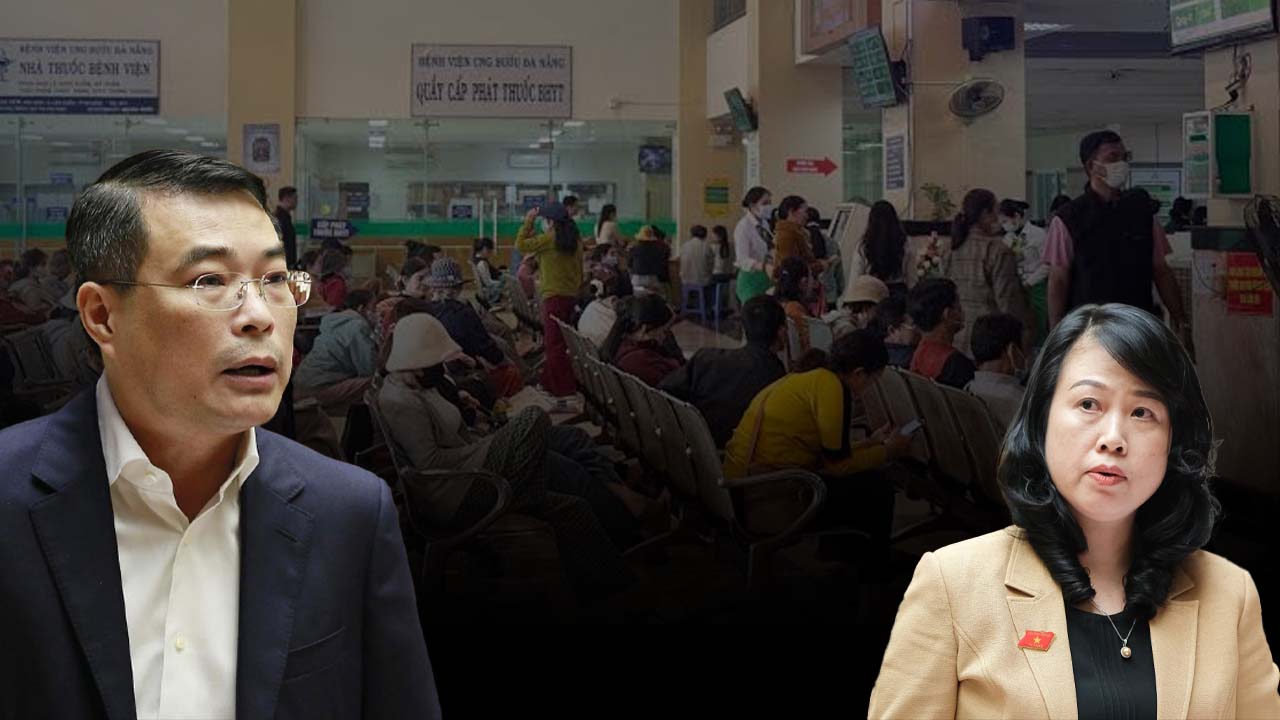
After all, the nature of the issue at hand is crystal clear to anyone with even a basic understanding of economic principles.
The answer for Mr. Le Minh Hung is this: in the private sector, owners use their own money to make purchases, so they are forced to carefully calculate every dong they spend.
Accordingly, they proactively send staff directly to foreign manufacturers to compare prices, negotiate directly, and quickly approve purchases so that medical goods and equipment can be swiftly put into use for diagnosis and treatment.
It is worth noting that any commissions or discounts offered by manufacturers to buyers are entirely transparent and permissible civil agreements that help optimize input costs.
In stark contrast, in the public healthcare sector, the government’s management mechanism operates under the principle of “no one takes responsibility” because it uses public funds.
Because they use public resources, state-run hospitals must navigate an endless maze of procedures—from cataloging, price appraisal, and bidding to customs clearance, and so on. At each intermediary step, operational and management costs are automatically “inflated” to allow for kickbacks.
A prime example is the recently exposed major fraud case involving the Vietnam-U.S. Company, which revealed that the company established multiple offshore entities and carried out circular transactions to pocket the price difference—amounting to thousands of billions of dong—before the goods even reached state warehouses.
According to experts, medical supplies and medications that pass through such a complex chain of intermediaries end up costing patients many times more by the time they reach them, with the difference lining the pockets of those involved.
Mr. Le Minh Hung’s pressing question also highlights the reluctance to acknowledge the root cause. Namely, it is the administrative procedures of the bloated bureaucracy that are driving up the prices of medicines and medical equipment.
Furthermore, a recent statement by Health Minister Dao Hong Lan regarding the need to “clarify the rights of those covered by health insurance when seeking treatment on demand” has also sparked strong backlash from the public.
In reality, the universal health insurance system has established a basic social safety net. Under this system, low-income individuals have access to minimum services for treating chronic diseases or managing common medical conditions.
Those with greater financial means are willing to pay out of pocket to cover the difference in order to use higher-quality imported medications or stay in private rooms based on their personal needs.
The laws of supply and demand and this classification of services are already very clear in the day-to-day operations of the healthcare sector nationwide.
Minister Dao Hong Lan’s unwarranted call to “clarify” the issue in the current context has led the public to question the true motives behind this statement.
Could this be a prelude to legitimizing increases in the costs of voluntary service packages, or an attempt to pave the way for collecting additional fees from patients without violating social welfare policies?
Public opinion holds that, amid declarations of a new era of development under Mr. To Lam, the people are still struggling to navigate a maze of “bureaucratic red tape” and the burden of healthcare expenses grows heavier by the day.
It is time for the government led by Lê Minh Hưng and the healthcare sector to undertake substantive reforms to ensure transparency in medical examination and treatment procedures as well as in public procurement, thereby safeguarding the legitimate rights and interests of the entire population.
Tra My – Thoibao.de